New AI Laws Every Creator Needs to Know: The Take It Down Act, the Defiance Act, and Adobe's Creator Act
Elvina Beck breaks down what she learned at the first-ever AI Creator Day at UCLA — the new laws protecting creators from non-consensual deepfakes, and what they mean for the future of human creativity.

Watch the video below.
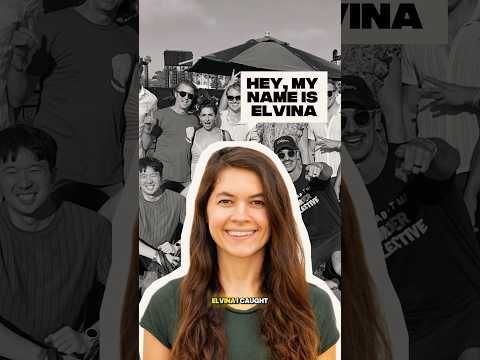
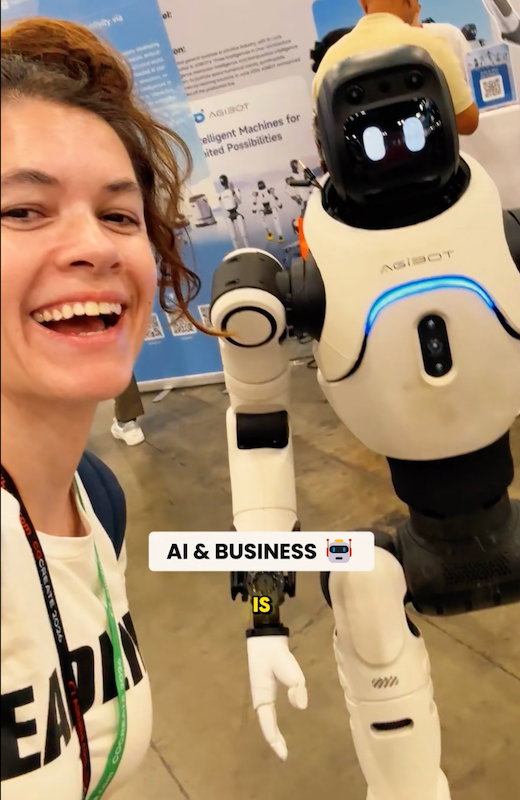
There is a dark side to AI, and it is moving faster than the law — until now. In our newest video, embedded above, our founder Elvina Beck shares what she learned at the first-ever AI Creator Day, hosted by TheWrap and What's Trending at UCLA. In 87 seconds, she breaks down two conversations from the stage that every creator needs to hear: Paris Hilton's 11:11 Media on the dark side of AI and non-consensual deepfakes, and Adobe on protecting human creators as generative AI becomes ubiquitous. This post is our full recap of the video and the three laws at the center of it: the Take It Down Act, the Defiance Act, and the Creator Act.
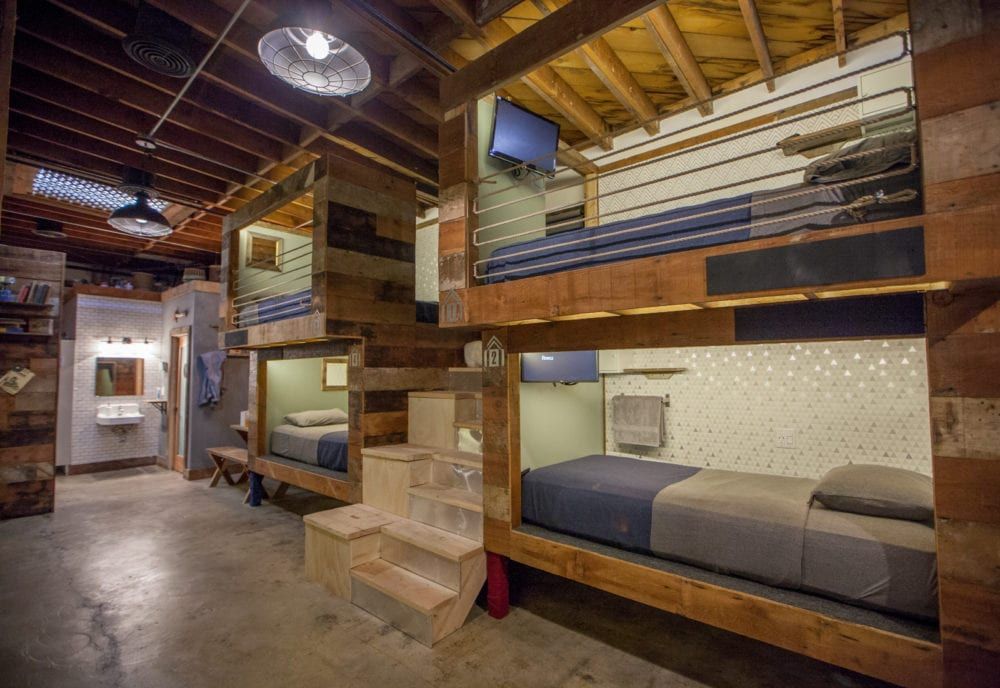
If you are a creator, a founder, or anyone who posts their face, voice, or work online, these laws matter to you. They are about consent, ownership, and what it means for something to be human — and they are about what happens when AI gets into the wrong hands. We built PodShare to be close to that kind of energy — a hostel and co-living network where you can sleep, work, and meet people who are building something, too — and we think creators should know what is changing in the law that protects them.
What the video shows
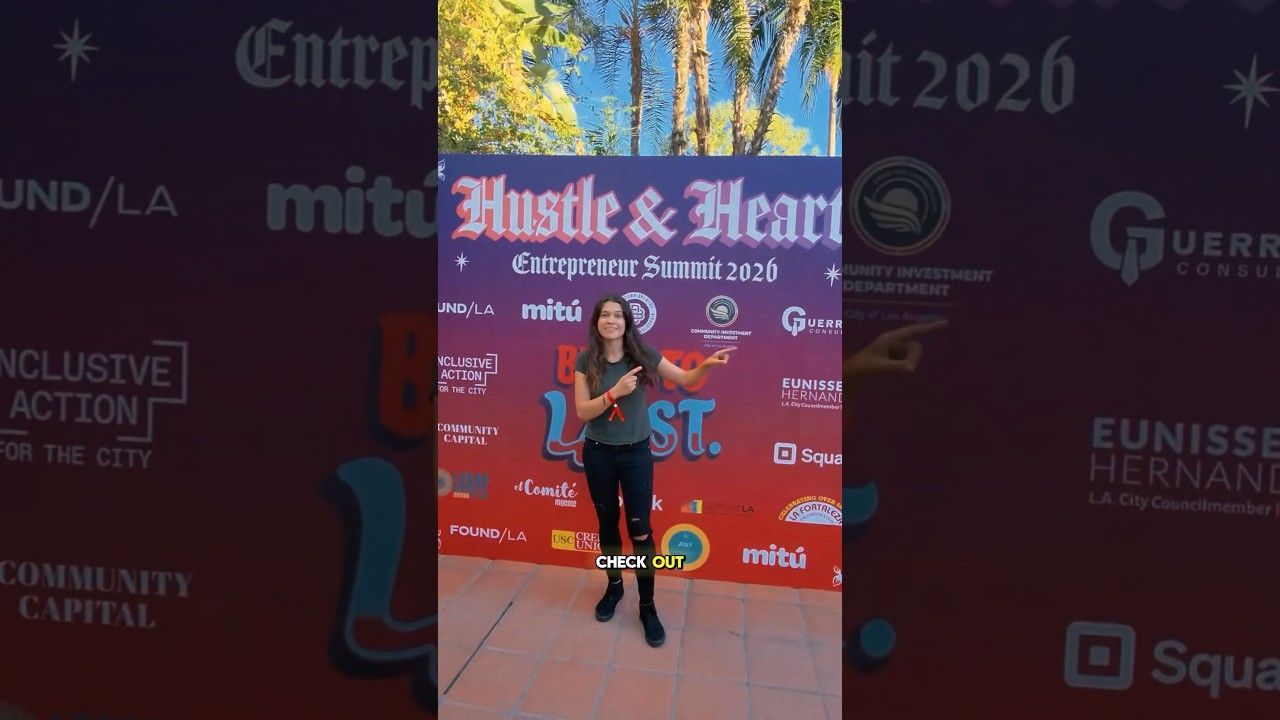
In the video, Elvina tells us she got a chance to attend the first-ever AI Creator Day, hosted by TheWrap and What's Trending at UCLA, and she wants to tell us about two really important conversations they had on stage. The first was Paris Hilton's 11:11 Media, talking about the dark side of AI: non-consensual explicit deepfakes. The second was Adobe, talking about protecting artists with something they are calling the Creator Act.
Elvina's video is 1 minute and 27 seconds, and it is direct. She explains the Take It Down Act, then the Defiance Act, then Adobe's Creator Act, and she closes with the question that ties them together: how do we figure out consent, ownership, and what it means for something to be human, now that AI gives creators incredible new abilities?
The Take It Down Act: platforms must remove the fakes — and the copies
As Elvina explains in the video, the Take It Down Act was signed into law by President Trump and became effective. Here is what it says: if a victim reports a deepfake of themselves — whether it is AI generated or non-consensual — the platform must take it down. But it also must take down the copies. That second part matters, because a deepfake that is removed from one place and reposted in ten others is not really gone.
For creators, that is a real change. Until now, getting a fake image or video of yourself removed from a platform could feel like a losing battle. The Take It Down Act gives victims a clear rule: report it, and the platform has to act — on the original and on the copies.
The Defiance Act: victims can sue the people who make the fakes
Elvina says the Defiance Act is the better and more current piece of the puzzle. It says that whoever is creating the deepfake can be held legally responsible: a person who is victimized can go after them for damages. As Elvina puts it in the video, “This is the only way it works in America. Just taking it down and asking nicely and a slap on the wrist. No, you got to sue the person to stop.”
That is a strong claim, and it is Elvina's takeaway from the stage at AI Creator Day: removal alone is not enough. The Defiance Act adds a consequence — a victim can sue the creator of a non-consensual deepfake for damages — which is meant to stop the behavior, not just clean it up after the fact.
Adobe's Creator Act: protecting human artists as generative AI grows
The second great conversation Elvina highlights in the video was Adobe. Adobe is trying to protect artists with something they are calling the Creator Act. As Elvina explains, it is about protecting human creators as generative AI becomes ubiquitous — protecting copyright, consent, and the human element in creative work.
That is the other side of the AI conversation. The Take It Down Act and the Defiance Act are about stopping abuse. The Creator Act is about what comes next: making sure that as generative AI becomes part of how art, music, writing, and video are made, the human creators behind that work are still protected, credited, and paid. Elvina's closing point in the video is that AI gives creators incredible opportunities, but we need to figure out consent, ownership, and what it means for something to be human — and how to handle ownership and liability when AI gets into the wrong hands.
Why this matters for creators in Los Angeles
Los Angeles is where creators live and work, and it is where these conversations are happening. AI Creator Day at UCLA brought together TheWrap, What's Trending, Paris Hilton's 11:11 Media, and Adobe — a mix of media, creators, and technology that reflects the city itself. For a creator traveling to Los Angeles for an event, a conference, or a collaboration, knowing the new laws is part of knowing the landscape.
We think it also matters for how we build and stay. A creator's work is their livelihood, and the laws that protect it are part of the infrastructure of a creative career — just like a good place to stay, a community to meet, and a city that rewards showing up. If you are coming to Los Angeles for a creator event, we recommend choosing a stay that keeps you close to the people you meet, so the conversations do not stop when the stage goes dark.
What we learned
Here are the key takeaways we took from the video and from AI Creator Day:
- Removal has to include the copies. The Take It Down Act, as Elvina explains it, requires platforms to take down a reported deepfake and the copies of it — because a fake that keeps reappearing is not really removed.
- Consequences are what stop abuse. The Defiance Act lets a victim sue the creator of a non-consensual deepfake for damages. Elvina's takeaway is blunt: taking something down and asking nicely is not enough; there has to be a legal consequence.
- Human creators need protection as AI grows. Adobe's Creator Act is about protecting human artists, copyright, and consent as generative AI becomes ubiquitous — the human element, not just the technology.
- Consent and ownership are the real questions. AI gives creators incredible new abilities, but Elvina's closing question is the one that matters: how do we figure out consent, ownership, and what it means for something to be human — and who is liable when AI gets into the wrong hands?
About PodShare
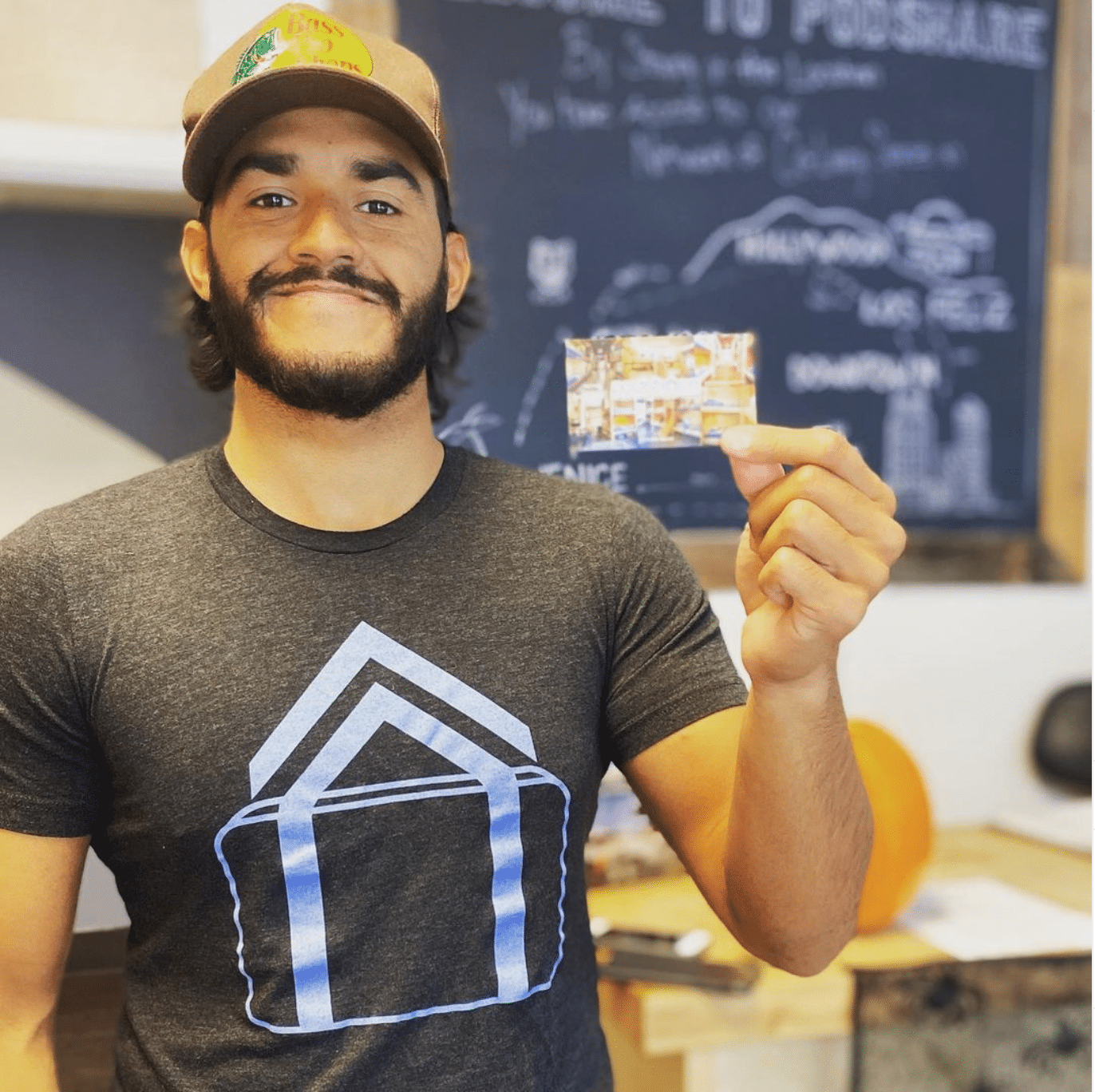
PodShare is a hostel network in Los Angeles, San Francisco, and Santa Barbara, with locations in Hollywood, Los Feliz, and Downtown LA (DTLA), as well as San Francisco and Social Stays in Santa Barbara. Our pods are a simple, affordable way to stay in the city: pods from $50 a night, book direct at podshare.com. Check-in is remote only — there is no front desk at any location — and laundry is paid self-service, with street parking only. There is no breakfast at any location, so we keep the stay simple and affordable, and we focus on what matters most: a clean pod, good shared spaces, and a community of travelers and founders to meet.
If you are coming to Los Angeles for a creator event, a conference, or just a trip to explore the city, we would love to host you. Book direct at podshare.com, choose the location that fits your plans, and come and stay with us. Watch the video above, then come and tell us what you are building — we will save you a pod.
Watch “New AI Laws Every Creator Needs to Know! (Take It Down Act)” on YouTube| Book direct at podshare.com