

SF Tech Week Takeaway 1: VC Advice for Female Founders — Prevention vs. Promotion Questions
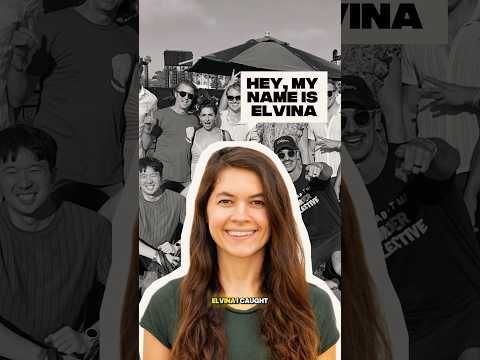
Elvina Beck shares the first of her three biggest takeaways from SF Tech Week: the VC advice that helps female founders handle the 'prevention' questions investors ask — and turn them into an opening to talk about the opportunity.

Watch the video below.
At SF Tech Week, our founder Elvina Beck went to seven events a day. By the end of the week, she had three biggest takeaways — and she put each one in its own video. This is the first of the three, and it is specifically for female founders who are pitching to investors. In the 33-second video embedded above, Elvina shares the best piece of advice she heard all week: when an investor asks you a “prevention” question, do not get defensive. Breathe, expect the question, and respond.
If you are a female founder raising money, this one is for you. It is also for anyone who has ever walked out of a pitch wondering why the conversation felt like it was about everything that could go wrong, instead of everything that could go right. We think the difference matters, and we think knowing it is coming changes the whole conversation.
What the video shows
In the video, Elvina tells us she went to SF Tech Week and went to seven events a day, and she is sharing her three biggest takeaways in three separate videos. This one, the first, is specifically for female founders. An investor talked about how we get prevention questions instead of promotion questions. When our counterparts get asked, “How big is this opportunity?” we might get asked, “So, what could go wrong?”
Elvina's advice, straight from the investor she heard at SF Tech Week, is simple: “Don't get defensive. Just breathe. Know that it's coming and respond.” That is the whole takeaway, and it is worth sitting with — because it is not about the question. It is about what you do in the three seconds after you hear it.
Prevention questions vs. promotion questions
Here is the pattern Elvina describes in the video. A promotion question is about the upside: how big is this opportunity, how fast can it grow, how many people could this reach? A prevention question is about the downside: what could go wrong, what are the risks, what happens if it does not work?
Both kinds of questions are fair. But when one founder gets the promotion version and another gets the prevention version, the two conversations go in very different directions. The founder who gets asked about the opportunity gets to talk about growth, vision, and scale. The founder who gets asked about what could go wrong spends her time defending the idea instead of selling it. Over a whole fundraising process, that difference adds up — it shapes how investors remember you, and it shapes how you feel walking out of the room.
Why this matters for female founders
Elvina's video is 33 seconds long, and it is aimed at a pattern that female founders know well. If you are a woman pitching to investors, you have probably been asked the prevention version of a question your male counterpart got as a promotion question. It is not always intentional, and it is not always obvious in the moment — which is exactly why Elvina's advice is to expect it.
Knowing the question is coming is the whole point. When you expect a prevention question, you do not flinch. You do not get defensive, and you do not let the framing of the question set the framing of your answer. You breathe, and then you respond — and your response can bring the conversation back to the opportunity.
What to do when the question comes
Here is how we think about Elvina's advice, in practice:
- Breathe first. The advice is “don't get defensive. Just breathe.” A short pause is not weakness — it is control. It tells the room you are thinking, not reacting.
- Expect it. If you walk into a pitch knowing that a prevention question is likely, it cannot catch you off guard. Expecting it is what keeps you from getting defensive in the first place.
- Answer the risk, then pivot to the opportunity. You can answer what could go wrong honestly and briefly — and then bring the conversation back to how big the opportunity is. The question was about the downside; your answer does not have to stay there.
- Remember the frame. The investor's question is a frame, not a verdict. Your job is to hold your own frame: the size of the opportunity, the customers you already have, and the reason you are building this.
SF Tech Week, in context
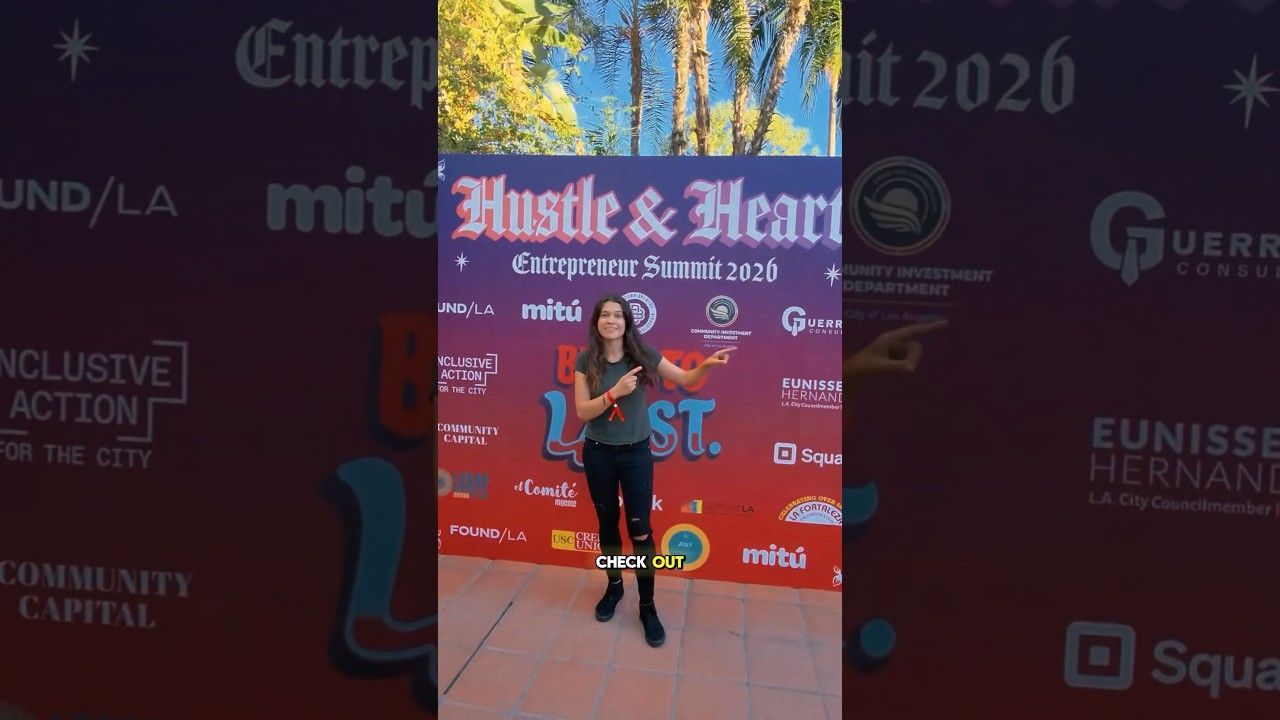
SF Tech Week by a16z brought founders, investors, and builders together across San Francisco — and, as Elvina notes in her other videos from the week, across Los Angeles too. Elvina went to seven events a day and came home with three takeaways, one for each video in this series. This is the first: the VC advice for female founders. The second is about finding the right investors, and the third is about being a solo founder. Each one is short, and each one comes from a real conversation at a real event — not from a textbook.
That is part of why we like these videos. They are not theory. They are what a founder heard, in the room, from an investor, in the middle of a week when she was going to seven events a day. If you are building something and raising money, that is the kind of advice that actually helps.
What we learned
Here are the key takeaways from Elvina's first SF Tech Week video:
- Female founders often get prevention questions; their counterparts get promotion questions. “How big is this opportunity?” versus “So, what could go wrong?” — the same pitch, two very different conversations.
- Do not get defensive. The best advice Elvina heard from a VC at SF Tech Week is to breathe, expect the question, and respond.
- Expecting the question is the advantage. When you know a prevention question is coming, it cannot rattle you — and you can answer it on your own terms.
- Your answer can reframe the conversation. You can address the risk and then bring the room back to the opportunity. The question sets the topic; you set the tone.
About PodShare
PodShare is a hostel network in Los Angeles, San Francisco, and Santa Barbara, with locations in Hollywood, Los Feliz, and Downtown LA (DTLA), as well as San Francisco and Social Stays in Santa Barbara. Our pods are a simple, affordable way to stay in the city: pods from $50 a night, book direct at podshare.com. Check-in is remote only — there is no front desk at any location — and laundry is paid self-service, with street parking only. There is no breakfast at any location, so we keep the stay simple and affordable, and we focus on what matters most: a clean pod, good shared spaces, and a community of travelers and founders to meet.
If you are coming to San Francisco or Los Angeles for a tech week, a conference, or a week of investor meetings, we would love to host you. Book direct at podshare.com, choose the location that fits your plans, and come and stay with us. Watch the video above, then come and tell us what you are building — we will save you a pod.
Watch “SF Tech Week Takeaway 1: VC Advice for Female Founders” on YouTube| Book direct at podshare.com